



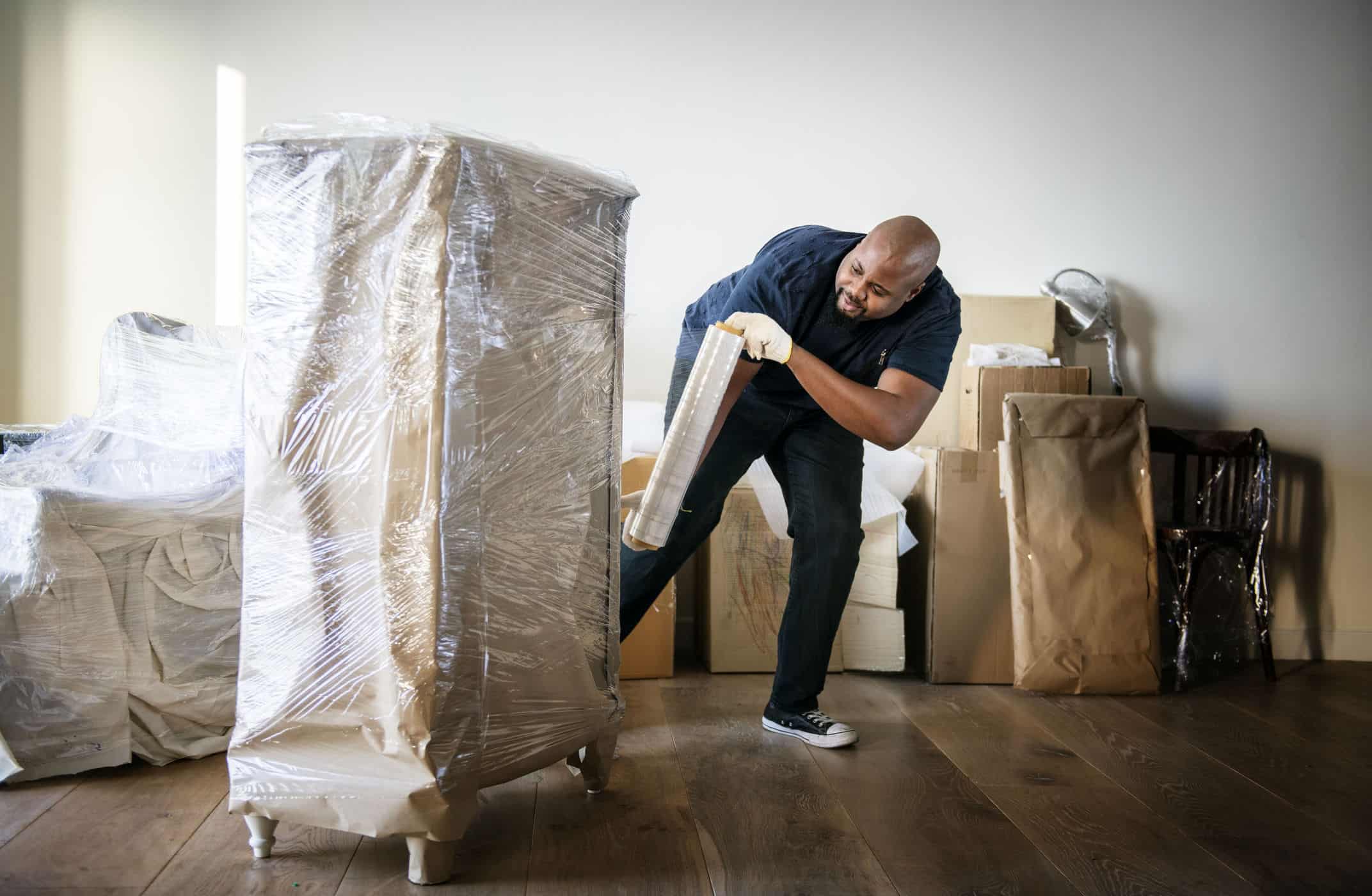
Moving an office is a big job. It affects people, work, and costs. Good planning makes the move calm. It cuts downtime and stress. Dab Movers Inc helps many businesses move. This guide shows the steps to plan a smooth office relocation. Follow them and the move will go better for everyone.
Start early and name a move leader
Start planning at least two to three months before the move. For larger offices, start earlier. Pick one person to lead the move. This person makes decisions and answers questions. They set timelines, meet vendors, and keep the team on track. A single leader keeps communication clear.
Set clear goals and a budget
Decide why you move and what you want. Do you need more space, lower rent, or better light? Write your goals down. Next, set a budget. Include rent, movers, IT work, new furniture, and unexpected costs. A clear budget keeps spending in check.
Build a timeline and key milestones
Make a simple timeline with big steps. Mark the lease end, office shutdown, and move day. Add dates for packing, IT shutdown, and furniture install. Share the timeline with staff and vendors. Short, clear milestones help everyone see progress.
Do a full inventory
List all furniture, files, and equipment. Count desks, chairs, cabinets, and servers. Note condition and value. This list helps you decide what to keep, sell, or toss. A good inventory saves time on move day and in the new office.
Plan the new space layout
Measure the new office. Make a simple floor plan. Mark workstations, meeting rooms, storage, and server rooms. Think about power, lighting, and access. Share the plan with staff so they know where teams will sit. A clear layout reduces confusion on move day.
Hire experienced movers and plan their role
Get quotes from moving companies. Choose movers who do office moves. Check references and insurance. Book your movers early. Tell them your timeline and special needs. Dab Movers Inc can pack, move heavy items, and place furniture in the new office. Let the pros handle heavy lifting so your team can focus on work.
Protect your IT and telecom systems
IT is the most fragile part of any move. Meet with your IT team early. Decide when to shut down servers and phones. Back up all data offsite before the move. Plan a restore and test in the new location. Consider a staged move for critical servers. Make sure your internet and phone lines are ready before move day.
Pack smart and label everything
Pack room by room. Use strong boxes and proper packing materials. Label each box with a room name and a simple content note. Add a number for each box and keep a master list. Mark boxes that must be opened first. This makes unpacking quick and calm.
Communicate with your staff
Keep staff informed at every step. Share the timeline, the seating plan, and what to pack. Tell them how the move will affect work and what to expect on move day. Offer packing help or time off if needed. Staff who know the plan feel less stressed and more helpful.
Prepare the new office before moving in
Have the new space cleaned and ready. Confirm floor protection and door sizes for big items. Make sure utilities are on and HVAC works. Install any fixed furniture or phone drops before boxes arrive. A ready space lets the team settle in faster.
Schedule move day carefully
Pick a move day and time that cuts work loss. Weekend or after-hours moves reduce downtime for many businesses. Tell neighbors and building managers early to secure loading docks and parking. Have a clear arrival time for the movers and for IT staff.
Keep a short, clear move day command
On the big day, the move leader runs the show. The leader checks the inventory and the floor plan. Movers bring boxes to marked rooms. IT brings servers back online. Have a small team to guide movers in the new office. Clear roles keep the day steady.
Do a quick walkthrough and snag list
Walk to the new office once the movers finish. Check for missing items and damage. Make a short snag list and have movers log any damages. Get contact info for any vendor promises like missing desks or extra cables. A quick check makes sure nothing is lost.
Unpack in order and test systems
Unpack essentials first: phones, servers, and key desks. Open the “first-night” boxes with basics like chargers and a few supplies. Test phones, internet, printers, and security systems. Only then unpack non-essentials. A staged unpack keeps the office usable fast.
Hold a short staff welcome and review
Once systems work, meet the team. Show the key rooms and emergency exits. Explain recycling, mail, and parking rules. Answer questions. A brief welcome helps the team settle and feel at home.
Post-move review and follow-up
After a week, review how the move went. Ask staff what worked and what didn’t. Check on outstanding issues and close them. Update the inventory list to show what is in the new office. This review helps you learn for the next move.
Why use Dab Movers Inc
Dab Movers Inc knows office moves. We plan, pack, and place furniture. We protect items and handle heavy lifts. We work with your IT team to move servers safely. Our team focuses on speed and care so your business can return to work quickly.
Final thoughts
A good office move is a planned move. Start early. Pick a leader. Work with pros like Dab Movers Inc. Protect IT, label boxes, and keep staff in the loop. With care and a clear plan, your office move can be smooth. If you want help planning or a moving quote, call Dab Movers Inc. We will make your move steady and safe.
FAQs
Q: How far in advance should we book movers?
A: For most office moves, book movers at least four to eight weeks ahead. For large or complex moves, start three months early. Booking early secures the date and gives time to plan.
Q: How can we minimize downtime during the move?
A: Plan IT shutdown and restart carefully. Move critical systems in a staged way. Choose after-hours or weekend moves. Pack and label well so teams can resume work fast.
Q: Who should handle fragile or high-value items?
A: Let professional movers handle fragile or high-value items. They use special packing and crates. For servers and IT gear, involve your IT team and use movers experienced with electronics.