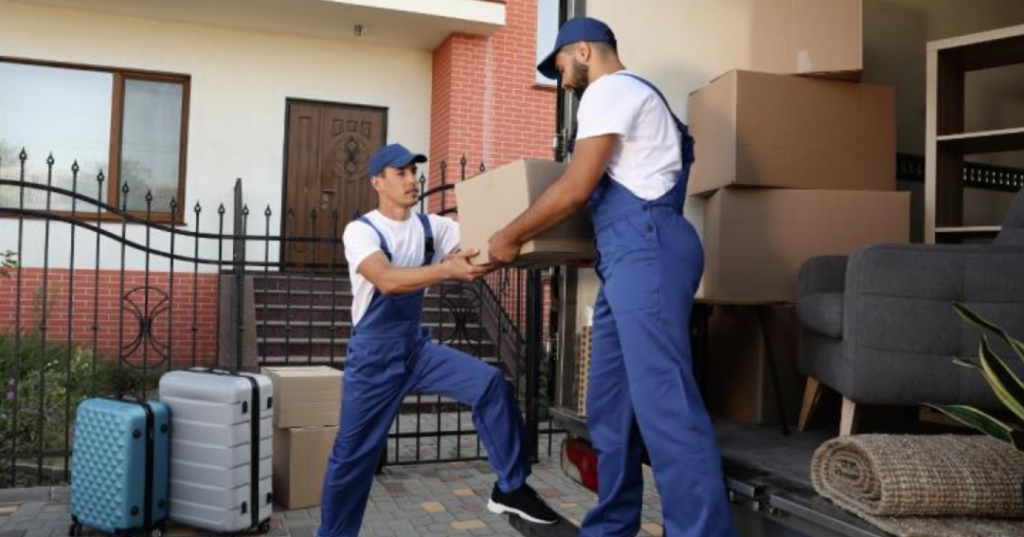
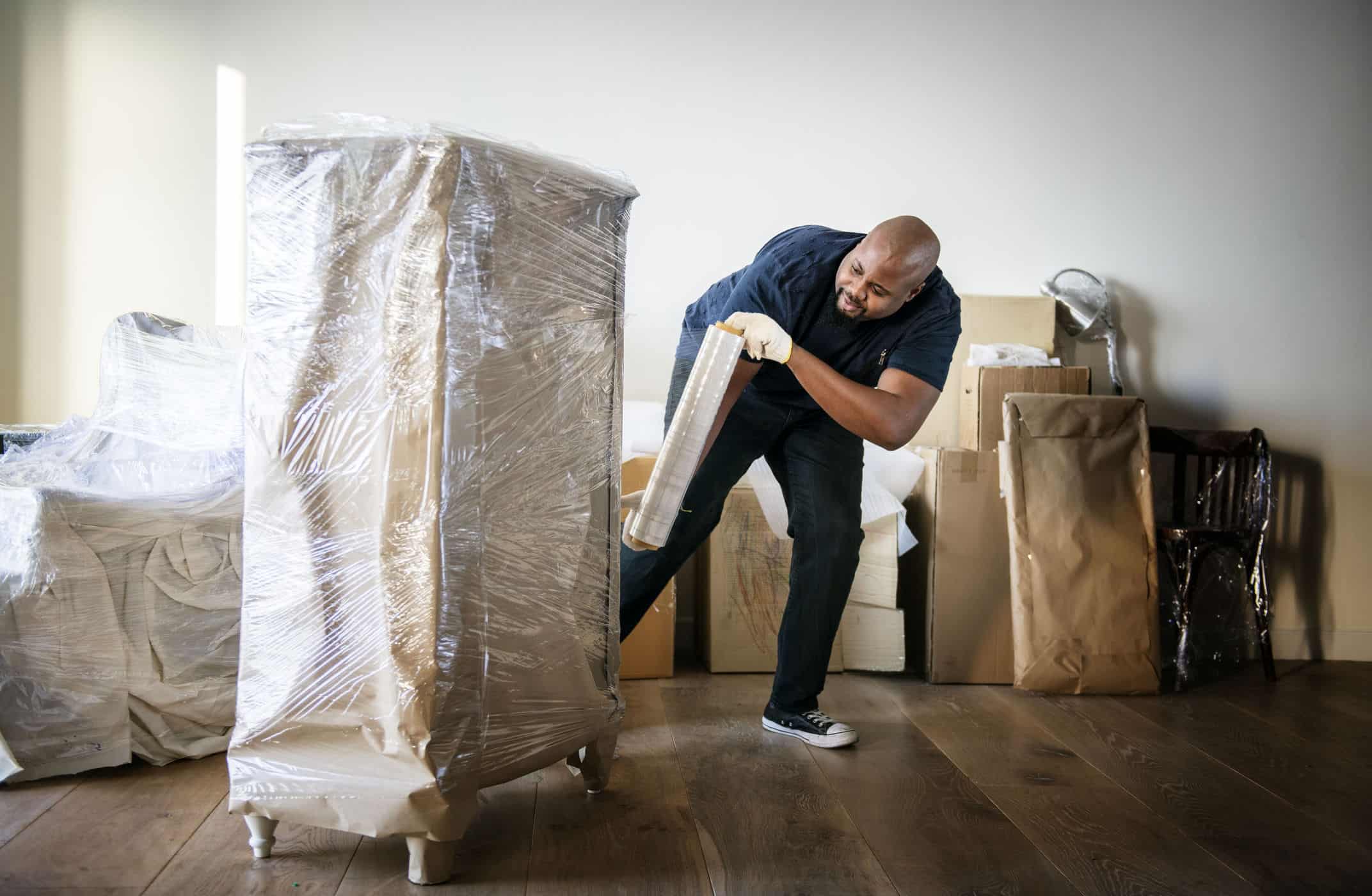
Relocating a household involves a delicate balance of heavy lifting and careful precision. When you are preparing to transition to a new residence, the safety of your most delicate belongings—from heirloom glassware to high-end electronics—becomes a top priority. Selecting experienced Moving Services in Norwalk, CA, provides a significant advantage, as professional crews bring the specific tools and techniques required to ensure that your breakables survive the journey across Los Angeles County without a scratch.
Selecting the Right Packing Supplies
The foundation of damage prevention is the quality of your packing materials. Standard cardboard boxes are often insufficient for heavy or extremely delicate items. Instead, look for heavy-duty, double-walled “dish packs” and “cell kits” designed specifically for glassware and ceramics.
Beyond the boxes, you will need an ample supply of acid-free packing paper, anti-static bubble wrap for electronics, and high-quality packing tape. Avoid using newsprint for fine china, as the ink can leach into the glaze and leave permanent stains. For high-value artwork or mirrors, specialized telescopic boxes provide the reinforced corners necessary to prevent impact damage during transit.
Techniques for Wrapping and Padding
How you wrap an item is just as important as what you wrap it in. For fragile kitchenware, the “burrito method” is highly effective: place the item on a stack of packing paper, fold the corners over, and roll it until it is fully encased.
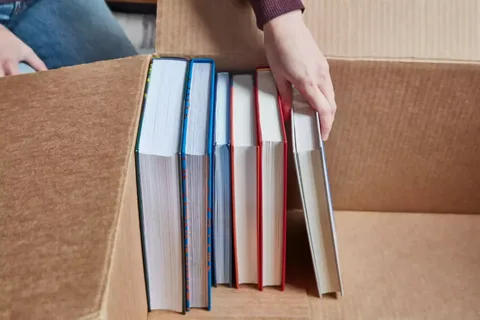
- Glassware: Always pack glasses and mugs vertically, never flat on their sides. The vertical structure of a glass is much stronger and better able to withstand vibrations.
- Electronics: Remove all cables and wrap the main unit in a layer of foam or bubble wrap. Use original packaging whenever possible, as the internal styrofoam is molded to the device’s specific dimensions.
- Hollow Items: Fill the interior of vases or large bowls with crumpled paper to provide internal support and prevent the walls from collapsing under external pressure.
Strategic Loading and Box Organization
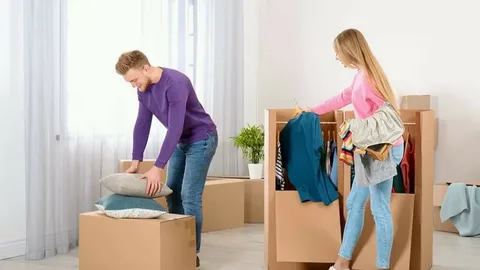
A common mistake in DIY moves is improper weight distribution. When packing fragile items, the heaviest boxes should always be placed at the bottom of the stack, with the lightest and most delicate items on top.
Every box containing breakables should be clearly marked “FRAGILE” in large, bold letters on at least three sides. It is also helpful to indicate which side is “UP” to ensure the box isn’t inverted during the loading process. Professional teams, such as those at Dab Movers Inc, are trained to use “soft-tiering” techniques, where furniture and moving blankets are used to create buffers between stacks of boxes, preventing them from shifting or tipping during sharp turns or sudden stops.
Planning the Timeline for Delicate Goods
Many people underestimate the time required to properly secure a household full of fragile items. If you are wondering how far in advance you should plan a move, the answer is usually at least eight weeks, specifically if you have a large collection of valuables. Starting early allows you to pack these items slowly and Methodically, rather than rushing through the process in the final days when fatigue can lead to careless mistakes. By dedicating one weekend solely to your most sensitive items, you ensure each piece receives the attention it deserves.
Managing High-Value and Sentimental Items
There are some items that simply cannot be replaced, such as family photo albums, legal documents, or small pieces of jewelry. Even when working with a reliable local moving company, it is often best to keep these “irreplaceables” with you in your personal vehicle.
If you have extremely large or heavy fragile items, such as a piano or a grandfather clock, these require specialized crating. Dab Movers Inc can often provide or recommend custom crating solutions that suspend the item within a wooden frame, eliminating the risk of movement during the haul. This level of professional care is the difference between a stressful relocation and a seamless transition.
Final Inspection at the New Destination
The process doesn’t end when the truck stops. Upon arrival at your new home, prioritize the “fragile” section of your inventory. Unpack these boxes first to ensure everything is intact and to get them out of high-traffic areas where they might be accidentally knocked over during the rest of the move.
By combining the right materials, methodical wrapping techniques, and a realistic planning timeline, you can move even the most delicate household with total confidence. A smooth relocation is defined by the condition of your belongings upon arrival, and taking these extra precautions ensures your new chapter starts on a high note.