
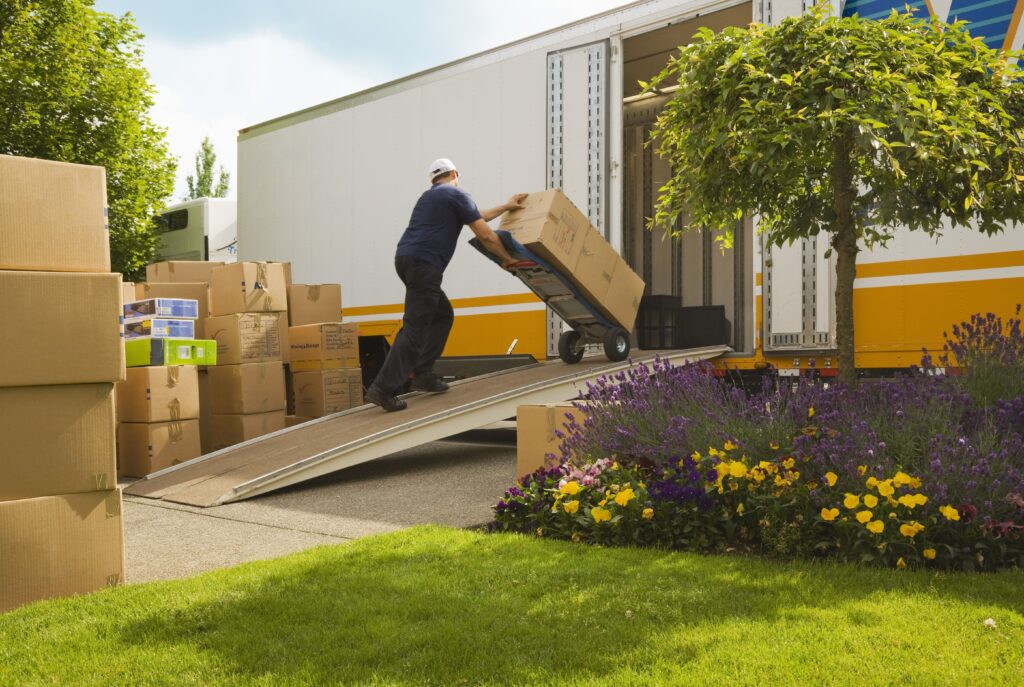
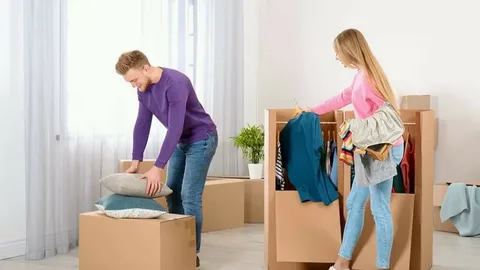
Getting in is easy, but it’s the packing that makes or breaks your entire experience. Things get lost, broken, or impossible to find if you pack in a hurry. Things like good packing help you save time, money, and worry. It makes you relaxed on your moving day as well. Once everything is organized, you can unpack quickly and get used to your new home like a breeze. And that’s why it is really important to learn a few packing tricks ahead of time.
Start Early and Stay Organized
The number one mistake that people make is waiting until the end, right? Packing Service does take longer than you expect. Begin two to three weeks prior to moving day. Start with the things you do not use on a daily basis, such as books, decor, or seasonal clothing. When packing, you should have a label on each box that clearly defines what is inside. Indicate what is stored and in which room, and this tiny effort will save you hours sometime later when searching for your stuff.
Others also find it useful to make a simple plan of what they want to pack. Select the right room to begin packing in a systematic order. Staying organized will save you from feeling overwhelmed.
Declutter Before You Pack
Sort through your possessions before putting them in a box. For the second item, everyone needs to have their purse every day, correct? If you no longer use it, moving is a fine opportunity to get rid of it. Donate clothing, sell that which can be sold, and just throw away anything broken.
- Less packing = fewer boxes, lower moving costs, and less heavy lifting on the other side as you unpack.
- A real opportunity to be prepared for your new journey at home.
- That one simple action = less weight on your shoulders and more positivity with your move.
Use the Right Packing Supplies
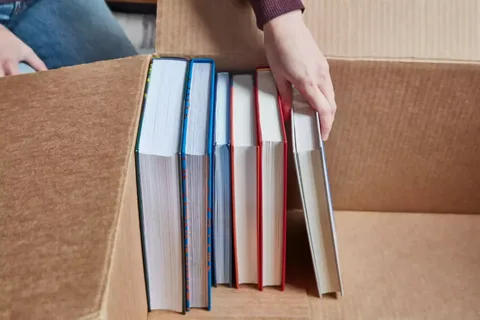
Not all boxes and materials are created equal, of course. Your items are more protected by using strong boxes. Books are heavy, so pack them in small boxes; pillows are light, go large. Bubble wrap, packing paper, and tape are your best friends while moving.
Do not leave empty spaces in boxes. Stop items from moving around by filling gaps with paper or cloth. This helps prevent damage. If you’re nervous about packing delicate items, companies like Dab Movers Inc provide assistance, or you can approach them for professional services.
Pack Smart, Not Fast
It may be tempting to throw things in boxes quickly, but packing smart is better than just fast. Pack fragile items carefully and settle them in the centre of the box, not close to the edges. Plates should be packed vertically like records, not flat.
Lighter items should be kept on top, and heavier ones go at the bottom. Also, do not overfill boxes. A box that is too heavy can break while pivoting, or you may get injured in the process of lifting it up. Packing properly protects your belongings and makes the process easier for everyone.
Keep Essentials Close
Prepare a separate suitcase or box for things you will require immediately. This consists of toiletries, clothing, important documents, and chargers for technical devices, along with snacks. It is a long, tiring day of packing, hence you will need some easy access to these items.
This is your first night kit; think of it as such. Your new home will not require you to search through a dozen boxes just for the essentials. This trick can solve a lot of stress.
Label Like a Pro
Labels are more than just a way to identify the contents of a box. They also guide the movers on where each box is to be placed. Use clear and bold writing. Colors for rooms can also be useful. Like blue for the kitchen and green for the bedroom.
Remember the old adage: Fragile boxes need “fragile” labels. It goes an extra step and tells movers to treat those boxes with kid gloves. Labeling: This simple yet effective practice greatly facilitates the packing and unpacking process.
Take Care of Fragile Items
Fragile items need special attention. Use bubble wrap or a soft cloth to pack each item separately. If you think the package needs extra protection use double boxes as packaging. Never allow any glass to contact another piece of glass directly.
You could also use towels and clothing to wrap around breakables. This keeps costs down whilst providing some extra padding. If you are not comfortable packing, movers such as Dab Movers Inc can provide reliable moving services and protect your items.
Don’t Forget About Furniture
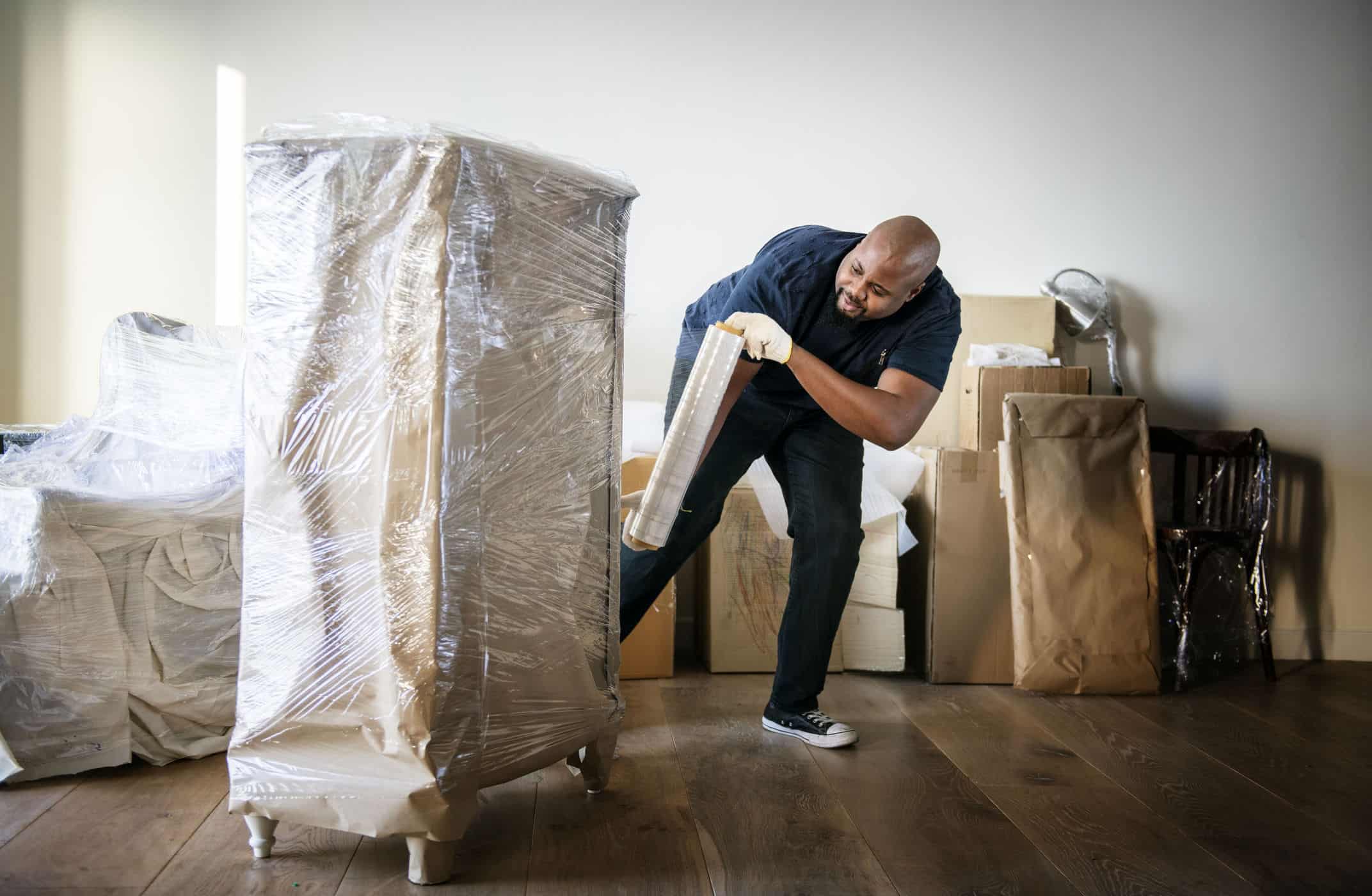
Furniture needs care, too. Taking apart oversized objects such as beds or tables will make transportation a breeze. Put screws and small parts into labelled bags, then tape them to the furniture.
Cover furniture in blankets or plastic coverings to protect from scrapes and dust. Most importantly, preparing the furniture correctly will ensure its good condition in transit.
Stay Calm on Moving Day
Planning makes for the perfect move, but even then, moving day itself can be stressful. Try to stay calm and focused. Just follow your plan and do it one step at a time. Have a drink and snacks close to you in order not to lack energy.
In case you labelled the boxes nicely and packed carefully, all will go well! You are prepared, you’ll be fine, and this is a new beginning.
Frequently Asked Questions (FAQs)
How early should I start packing for a move?
It is best to start packing at least two to three weeks before your move. This gives you enough time to pack slowly and carefully without stress.
What items should I pack first?
Start with items you do not use daily, such as books, decorations, and seasonal clothes. Leave everyday essentials for last.
How can I protect fragile items?
Wrap each item in bubble wrap or soft cloth. Place them in strong boxes and fill empty spaces to prevent movement. Label boxes as “fragile.”
Should I label every box?
Yes, labeling every box is very important. It helps you find items easily and ensures boxes go to the right room.
What should I keep in my essentials bag?
Your essentials bag should include toiletries, clothes, important documents, chargers, and snacks. These are things you will need right away.
Is it worth hiring professional movers?
Yes, hiring professionals can save time and reduce stress. They also know how to handle heavy and fragile items safely.
Final Thoughts
Packing is much more than throwing things into boxes. It has to do with how you plan, organize, and safeguard your “stuff.” If you follow these packing secrets, your move will be easier and less stressful. Be deliberate and organized, and pack wisely. Parting is such sweet sorrow. A smooth move begins with smart packing now, which lessens the effort down the road.